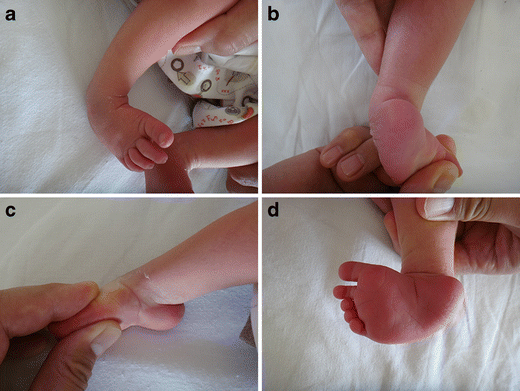
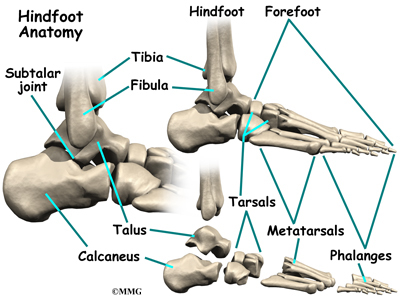
Congenital talipes equinovarus, also known as 'club foot', is a congenital foot deformity present at birth It is one of the most common congenital deformities The foot consists of 26 bones Most relevant for this congenital deformity are the talus, calcaneus and navicular The calcaneus and navicular are medially rotated in relation toAbstract Idiopathic (nonsyndromic) congenital talipes equinovarus, or clubfoot, is a poorly understood but common developmental disorder of the lower limb, which affects at least 2 per 1000 Scottish births (ISD data) It is defined as a fixation of the foot in a handlike orientationin adduction, supination and varuswith concomitant soft tissue abnormalitiesClubfoot is a congenital limb deformity defined as fixation of the foot in cavus, adductus, varus, and equinus (ie, inclined inwards, axially rotated outwards, and pointing downwards) with concomitant soft tissue abnormalities (Cardy et al, 07) Clubfoot may occur in isolation or as part of a syndrome (eg, diastrophic dysplasia, )

Newborn With Bilateral Club Foot Also Called Congenital Talipes Equinovarus Royalty Free Cliparts Vectors And Stock Illustration Image
Congenital talipes equinovarus club foot types
Congenital talipes equinovarus club foot types-Clubfoot, also known as talipes equinovarus (TEV), is a common foot abnormality, in which the foot points downward and inward The condition is present at birth, and involves the foot and lower leg It occurs twice as often (21) in males than in females It may affect one or both feet (50 % are bilateral) For parents with no family medical history of clubfoot, and no other children withCongenital means present at birth Talipes refers to the foot and ankle Equinovarus refers to the position of the foot pointing down and turning inwards Congenital Talipes Equinovarus is sometimes referred to as club foot Club foot occurs in less than 05% of births It is more common in boys than girls In half of the babies with club
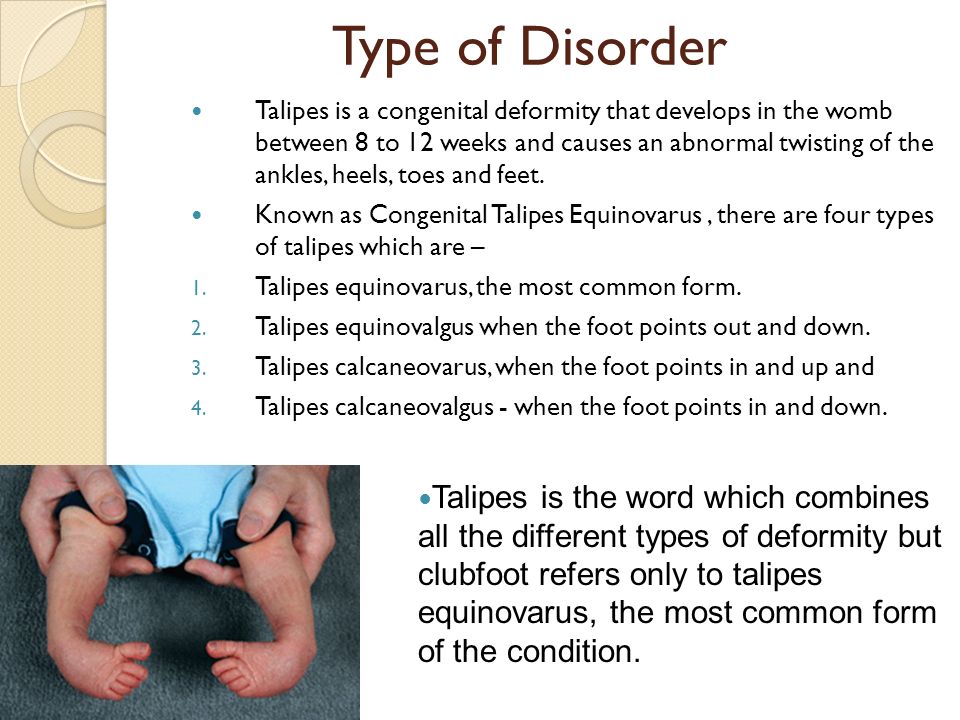


By Cassie Maier What Is Club Foot Club Foot Is When One Or Both Babies Feet Are Turned Inward And Downward And Cannot Be Put Into Normal Position Easily Ppt Download
Objective This study aimed to determine the prevalence and phenotypic characteristics of clubfoot in the Northern Region, one of the most deprived regions of GhanaMethod Parameters of interest included sex distribution, laterality, types of clubfoot, annual trends and prevalence rate Data was collected in the sole clubfoot clinic for the region fromVideo on symptoms, signs, diagnosis and treatment of congenital talipes equinovarus / CTEV / clubfoot from OrthopaedicsOrthopedics Playlist https//wwwyou Talipes equinovarus (clubfoot) is an abnormality of the foot position It may be positional, congenital (isolated), or part of a syndrome Clubfoot resulting from in utero positional forces, as may occur with prolonged severe oligohydramnios, multiple gestation, or breech presentation, is not a "true" clubfoot in that the deformity can
Clubfoot (congenital talipes equinovarus) Clubfoot, also known as congenital talipes equinovarus, is a common idiopathic deformity of the foot that presents in neonates Diagnosis is made clinically with a resting equinovarus deformity of the foot Treatment is usually ponseti method castingClubfoot, or talipes equinovarus, is the most common pediatric orthopedic deformity requiring treatment Although the deformity may appear to be severe,Congenital talipes equinovarus (clubfoot) Congenital talipes equinovarus (clubfoot) Congenital talipes equinovarus (clubfoot) Am J Obstet Gynecol 19 Dec;221(6)B10B12 doi /jajog2 Authors Society for Meckel syndrome type 1
Congenital talipes equinovarus, or club foot, is one of the commonest congenital orthopaedic conditions Its incidence in the UK is approximately live births and up to 50% of cases areClub foot (also called talipes) is where a baby is born with a foot or feet that turn in and under Early treatment should correct it In club foot, 1 foot or both feet point down and inwards with the sole of the foot facing backwards Credit Club foot happens because the Achilles tendon (the large tendon at the back of the ankle) is too shortTalipes Equinovarus / Clubfoot Discussion congenital clubfoot is a structural foot deformity that is present at birth;

Clubfoot Flip Ebook Pages 1 Anyflip Anyflip

What Is Clubfoot Or Congenital Talipes Equinovarus Or Ctev Symptoms Causes Diagnosis Physiotherapy Treatment Of Clubfoot Or Congenital Talipes Equinovarus Or Ctev
Congenital talipes equinovarus (CTEV), also known as clubfoot, is a common congenital paediatric condition, occurring in 1 to 2 per 1000 newborns It is characterised by an excessively turned‐in foot (equinovarus) and high medial longitudinal arch (cavus), which if left untreated leads to long‐term functional disability, deformity and pain CONGENITAL TALIPES EQUINO VARUS (CLUB FOOT) INTRODUCTION Congenital talipes equinovarus, also known as 'club foot', is a congenital foot deformity present at birth It is one of the most common congenital deformities The foot consists of 26 bones Most relevant for this congenital deformity are the talus, calcaneus and navicularThere is in utero malalignment of the talocalcaneal, talonavicular and calcaneocuboid joints;
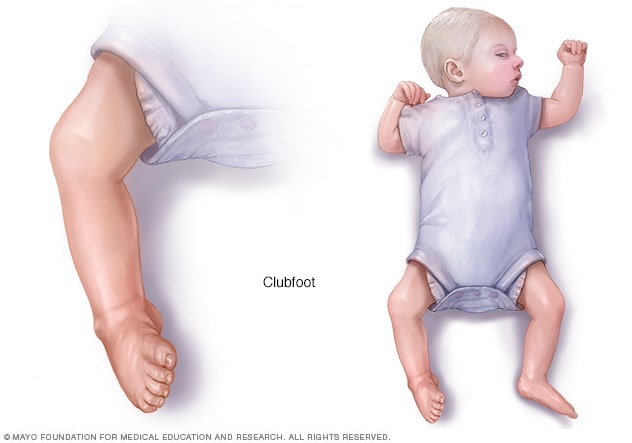
Clubfoot Symptoms And Causes Mayo Clinic
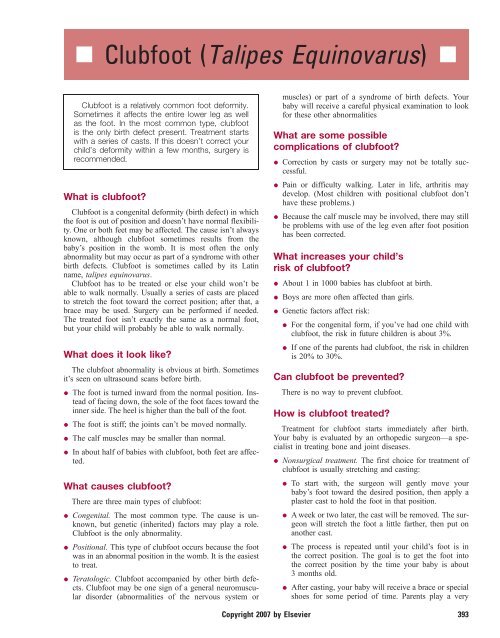
Clubfoot Talipes Equinovarus Impcna Com
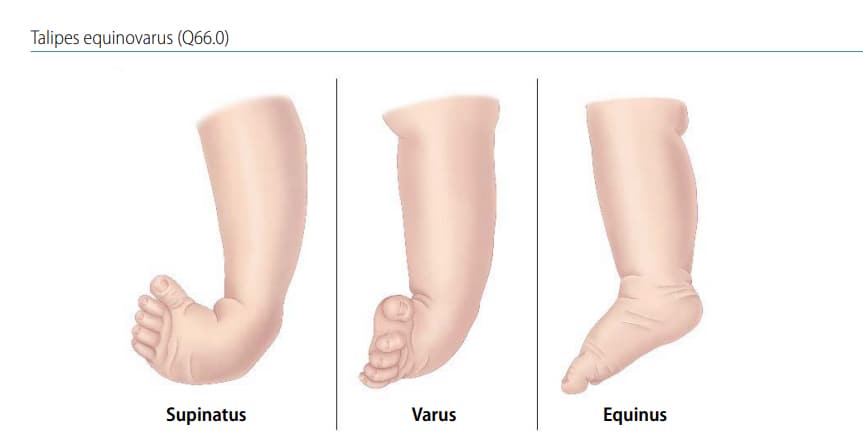
Talipes equinovarus (TEV) is a specific and common type of what is sometimes called "clubfoot", a term that encompasses a range of anomalies of the ankle or foot present at birth (see Fig 433 ) TEV can be defined as fixation of the foot (forefoot and hindfoot) in plantar flexion (equinus), deviation toward the midline (varus) and upward rotation so the foot rests onOther names Clubfeet, congenital talipes equinovarus (CTEV) Bilateral clubfeet Specialty Orthopedics, podiatry Symptoms Foot that is rotated inwards and downwards Usual onset During early pregnancy Causes Unknown Risk factors Genetics, mother who smokes cigarettes, males Ethnicity Diagnostic method Clubfoot (Congenital Talipes Equinovarus) Clubfoot (congenital talipes equinovarus) is a congenital foot abnormality where a baby's foot twists at the ankle, turning the foot inward Club foot may be associated with other problems in a child but is most often "idiopathic", meaning we don't know why the child developed the club foot
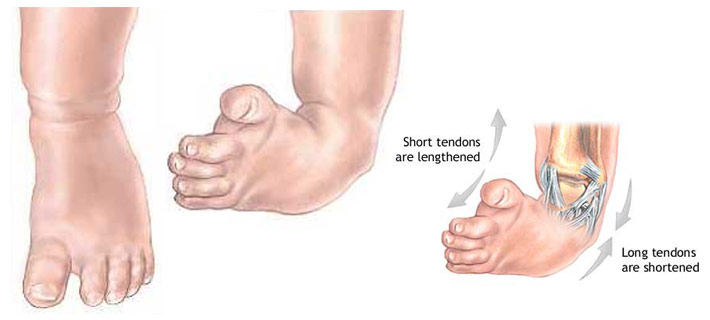
Congenital Talipes Equinovarus Clubfoot Nursing Care Management Nurseslabs
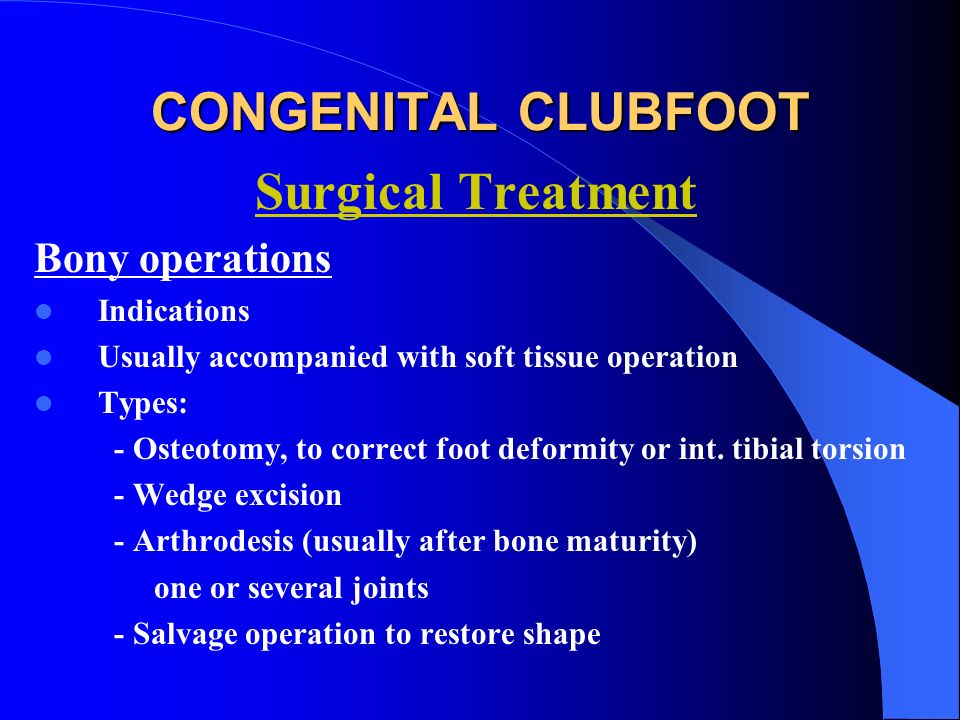
Congenital Clubfoot Congenital Talipes Equino Varus Ppt Video Online Download
340 3012 ↑ Saltzman HMCongenital talipes equinovarus (CTEV), more commonly known as clubfoot, is a deformity of the foot that is not well understood The tarsal navicular is at the center of the disease process and exhibits abnormal development and delayed ossification However, its role in Be sure to differentiate TEV from other types of "clubfoot", such as talipes calcaneovalgus, common in trisomy 18 (in which the ankle joint is dorsiflexed instead of plantar flexed, and the forefoot deviated outwards);
Clubfoot Orthoinfo os

Clubfoot Symptoms Stages Definition Description Demographics Causes And Symptoms Diagnosis
Idiopathic (non‐syndromic) congenital talipes equinovarus, or clubfoot, is a poorly understood but common developmental disorder of the lower limb, which affects at least 2 per 1000 Scottish births (Clubfoot is a foot deformity classified into three different types idiopathic (unknown cause), neurogenic (caused by condition of the nervous system) and syndromic (related to an underlying syndrome) Idiopathic Clubfoot Also known as talipes equinovarus, idiopathic clubfoot is the most common type of clubfoot and is present at birthTalipes equinovarus Incidence Clubfoot is a common defect present at birth and occurs in every 1,000 live births Bilateral TEV can be found be found in nearly 50% of cases About twice as many males are born with the congenital form than females Talipes equinovarus

Clubfoot Congenital Talipes Equinovarus Pediatrics Orthobullets

Infant With Club Feet Talipes Equinovarus Stock Image M350 0146 Science Photo Library
Congenital talipes equinovarus (CTEV), also known as clubfoot, is a common congenital orthopaedic condition characterised by an excessively turnedin foot (equinovarus) and high medial longitudinal arch (cavus) If left untreated it can result inClub foot represents a disruption of complex relationships between bone, ligament and muscle of the foot The most common type of club foot is congenital talipes equinovarus clubfoot, also known as congenital talipes equinovarus, is a developmental deformity of the foot one of the most common birth deformities with an incidence of 12 per 1000 live births each year in the whiteCongenital talipes equinovarus (CTEV), usually known as 'clubfoot', is the most common congenital orthopedic disease Its etiology is unknown but appears to be complex (De Andrade et al 1998, Chesney et al 1999) The incidence is estimated to be 064–68 per 1,000 live births (Cartlidge 1984, Lochmiller et al 1998, Wallander et al 06)
Clubfoot Orthoinfo os
1
Congenital Talipes Equino Varus' (CTEV) is also known as Clubfoot The impairment is common in infants & children As the result, they have postural problems when one or sometimes both of their feet tend to move inward and upward, especially in nonweight bearing position There are two types of clubfoot{{configCtrl2infometaDescription}} This site uses cookies By continuing to browse this site you are agreeing to our use of cookies The clubfoot deformity is often referred to as congenital talipes equinovarus (CTEV) Congenital clubfoot is a rigid deformity present at birth characterized by ankle equinus, heel tilt into varus, and midfoot and forefoot adduction with varus tilt

Physical Therapy In Long Island For Pediatric Issues Clubfoot

Talipes Club Foot Doctors Australia
Picture 1 – Talipes equinovarus Club foot;Club foot also known to doctors as congenital talipes equinovarus, is a common birth defect (congenital clubfoot) that can affect one or both feet The child is born with a foot pointing the wrong way – turned down and in – that cannot be placed flat on the ground in the position needed for walking (Figure 1) Club Foot Talipes equinovarus (once called club foot) is a deformity of the foot and ankle that a baby can be born with It is not clear exactly what causes talipes In most cases, it is diagnosed by the typical appearance of a baby's foot after they are born The Ponseti method is now a widely used treatment for talipes

Pdf Congenital Talipes Equinovarus A Case Report Of Bilateral Clubfoot In Three Homozygous Preterm Infants Semantic Scholar

Club Foot Congenital Talipes Equinovarus About Club Foot Patient
There are two types of clubfoot Isolated or idiopathic clubfoot is the most common type If your child has clubfoot with no other medical problems, it's called isolated clubfoot Idiopathic means that the cause of clubfoot is not known NonisolatedCongenital clubfoot can be rectifying completely Diagnostic tests Table 1 Pirani scoring Paramaters Normal Moderate Severe Midfoot Curved lateral border 0 05 1 Medial crease 0 05 1 Talar Head coverage 0 05 1 Hind Foot Posterior crease 0 05 1 Rigid equines 0 05 1 Empty heel 0 05 1 Increasingly, the diagnosis of clubfoot is being made on Ontology Congenital clubfoot The most common congenital deformation of the foot, occurring in 1 of 1,000 live births The most common form is talipes equinovarus, where the deformed foot is turned downward and inward sharply A deformed foot in which the foot is plantarflexed, inverted and adducted
Clubfoot Orthoinfo os
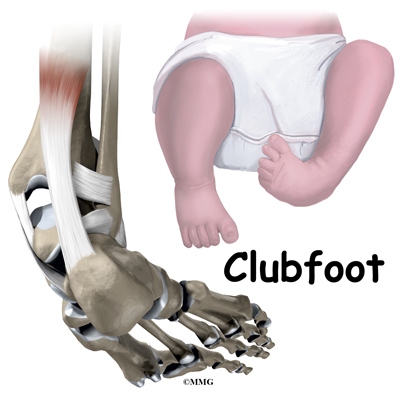
Clubfoot Eorthopod Com
Clubfoot or Congenital Talipes Equinovarus (CTEV) is a birth defect that can be mild to severe and pain levels range from zero/little to very severe depending on the type of clubfoot, severity and past treatments It affects one or both feet and other underlying conditions may be present or are associated with clubfootArticular malalignments are fixed by contracted joint capsules, ligaments, and contracted foot and ankle tendons;Clubfoot, also known as Congenital Talipes Equinovarus, is a complex, congenital deformity of the foot, that left untreated can limit a person's mobility by making it difficult and painful to walk 1 It is defined as a deformity characterized by complex, malalignment of the foot involving soft and bony structures in the hindfoot, midfoot and forefoot
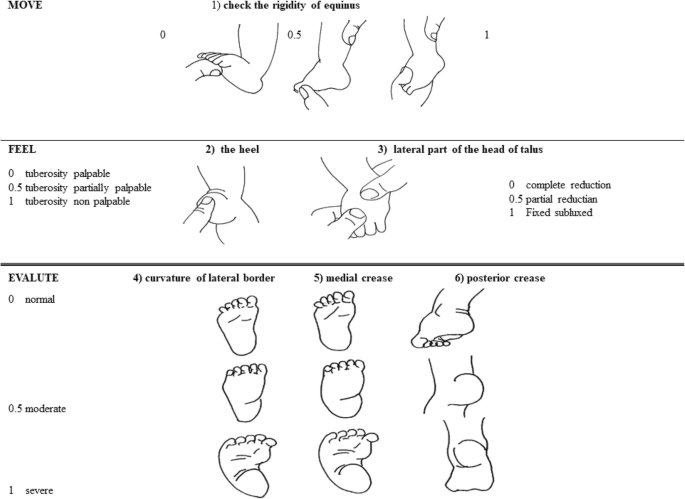
What A Paediatrician Should Know About Congenital Clubfoot Italian Journal Of Pediatrics Full Text
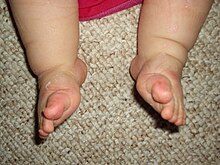
Clubfoot Wikipedia
Types In babies with talipes, the position of the foot can be abnormal in a number of ways It may be An example of casting and stretching is the Ponseti technique, which is the most commonlyrecommended treatment for congenital clubfoot (talipes equinovarus) It is quite intensive and often continues until the child is four years oldN Clubfoot (Talipes Equinovarus) n Clubfoot is a relatively common foot deformity Sometimes it affects the entire lower leg as well as the foot In the most common type, clubfoot is the only birth defect present Treatment starts with a series of casts If this doesn't correct your child's deformity within a few months, surgery is recommended Club Foot also is known as Giles Smith Syndrome, Congenital talipes equinovarus (CTEV), or talipes equinovarus (TEV) The Word " Talipes Equinovarus" comes from Latin Talus (ankle) pes (foot) Equino – indicates the heel is elevated (like a horse's) varus indicates it is turned inward The foot is turned in sharply, and the person seems to be walking on their ankle
1

Clubfoot Congenital Talipes Equinovarus Pediatrics Orthobullets
↑ Pirani S, Zeznik L, Hodges D Magnetic resonance imaging study of the congenital clubfoot treated with the Ponseti method Journal of Pediatric Orthopaedics 01 Nov 1;21(6) ↑ 30 31 32 Bridgens J, Kiely N Current Management of Clubfoot (Congenital Talipes Equinovarus) BMJ, 10;The condition is bilateral in 50% of cases and there is a male preponderance (31) Types According To Cause 1) Idiopathic 2) Secondary 3) Postural / Positional 8 Idiopathic Diagnosed when child has normal upper and lower extremities spine and neurological status apart from club foot Can be detected by USG by 16 wks gestation Combination of genetic and environmental factors are involved 9

Club Foot Congenital Talipes Equinovarus The Nepali Doctor

Clubfoot Healthing Ca
And talipes calcaneovarus (in which the ankle joint is dorsiflexed, and the forefoot deviated inwards) Congenital talipes equinovarus ('clubfoot') refers to foot deformity characterized by equinus of the hindfoot, adductus and varus of the midfoot and a high arch (cavus) The annual incidence in the UK is about 1 per 1000 live births; Read on to find out about congenital talipes equinovarus, a condition commonly known as club foot in which a newborn's foot or feet appear to be rotated at the ankle Also known as congenital talipes equinovarus or CTEV, this is a condition where a child presents with either one or both feet rotated internally at the ankle

Clubfoot Nurse Key

Congenital Talipes Equinovarus Clubfoot Nursing Care Management Pediatric Physical Therapy Medical Anatomy Medical Dictionary
Congenital contractures in the newborn are actually common, ranging from 1 100 to 1 0 for some types of contractures that include clubfeet, hip dislocations, and multiple congenital contractures (MCCs) Talipes equinovarus or clubfoot is

Clubfoot Deformity Talipes Equinovarus
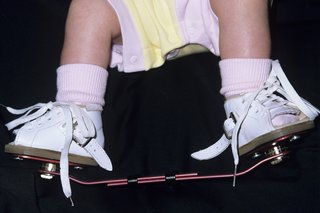
Club Foot Nhs
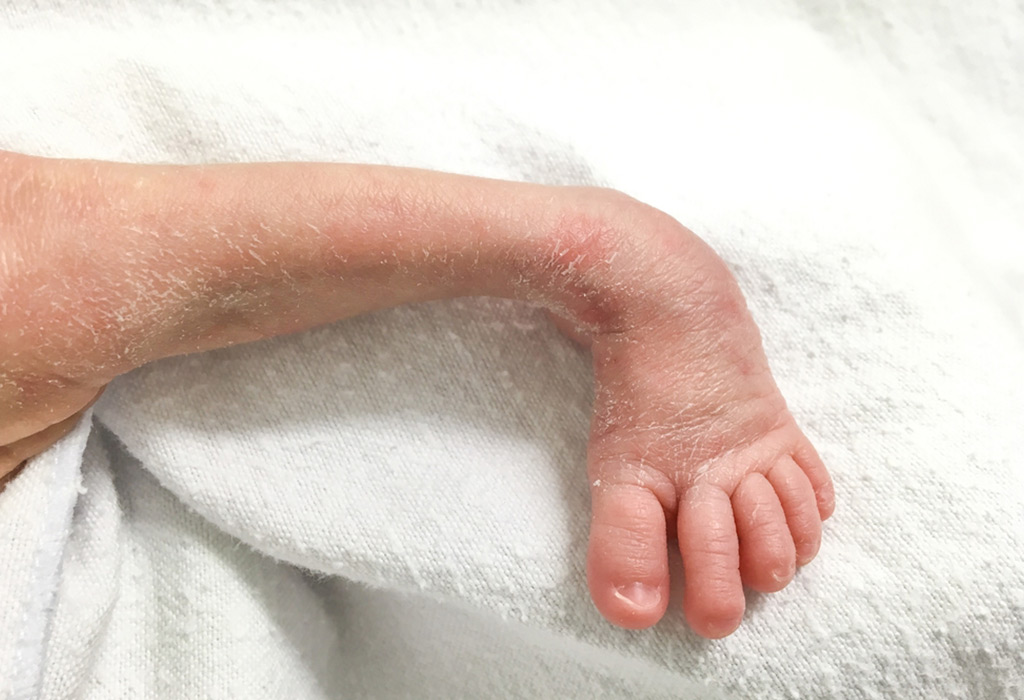
Club Foot In Infants Reasons Signs Remedies
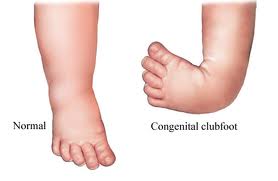
Introduction To Clubfoot Physiopedia
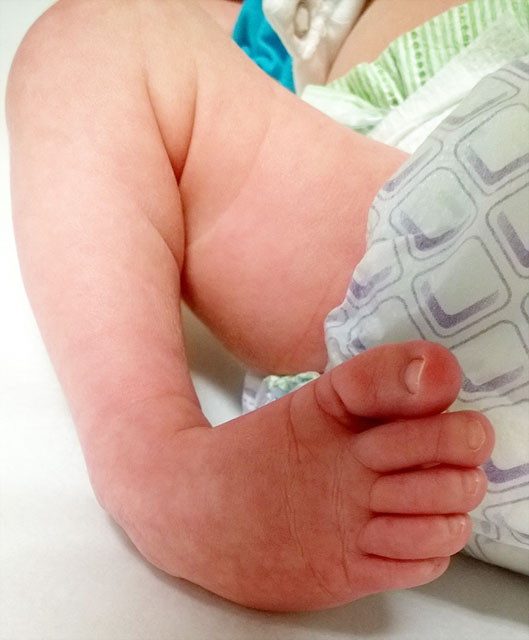
Clubfoot Johns Hopkins Medicine

Foot Deformities Various Talipes Conditions Pediatric Physical Therapy Pediatric Nursing Medical Terms

Clubfoot Orthopaedia

Congenital Idiopathic Talipes Equinovarus American Academy Of Pediatrics

Clubfoot Congenital Talipes Equinovarus Narayana Health

Talipes Equinovarus Clubfoot And Other Foot Abnormalities Pediatrics Merck Manuals Professional Edition

Clubfoot Also Known As Congenital Talipes Equinovarus Is A Complex Congenital Deformity Of The Foot That Left Untreated Can Limit A Person S Mobility By Making It Difficult And Painful To Walk 1

Club Foot Talipes In Babies Causes Signs Treatment Youtube
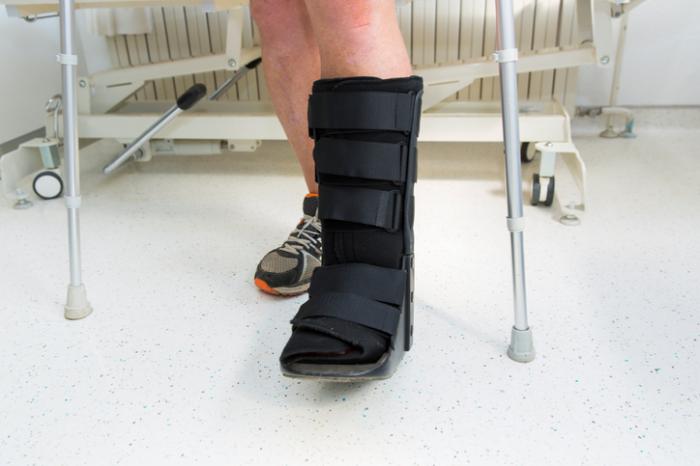
Clubfoot Causes And Treatments
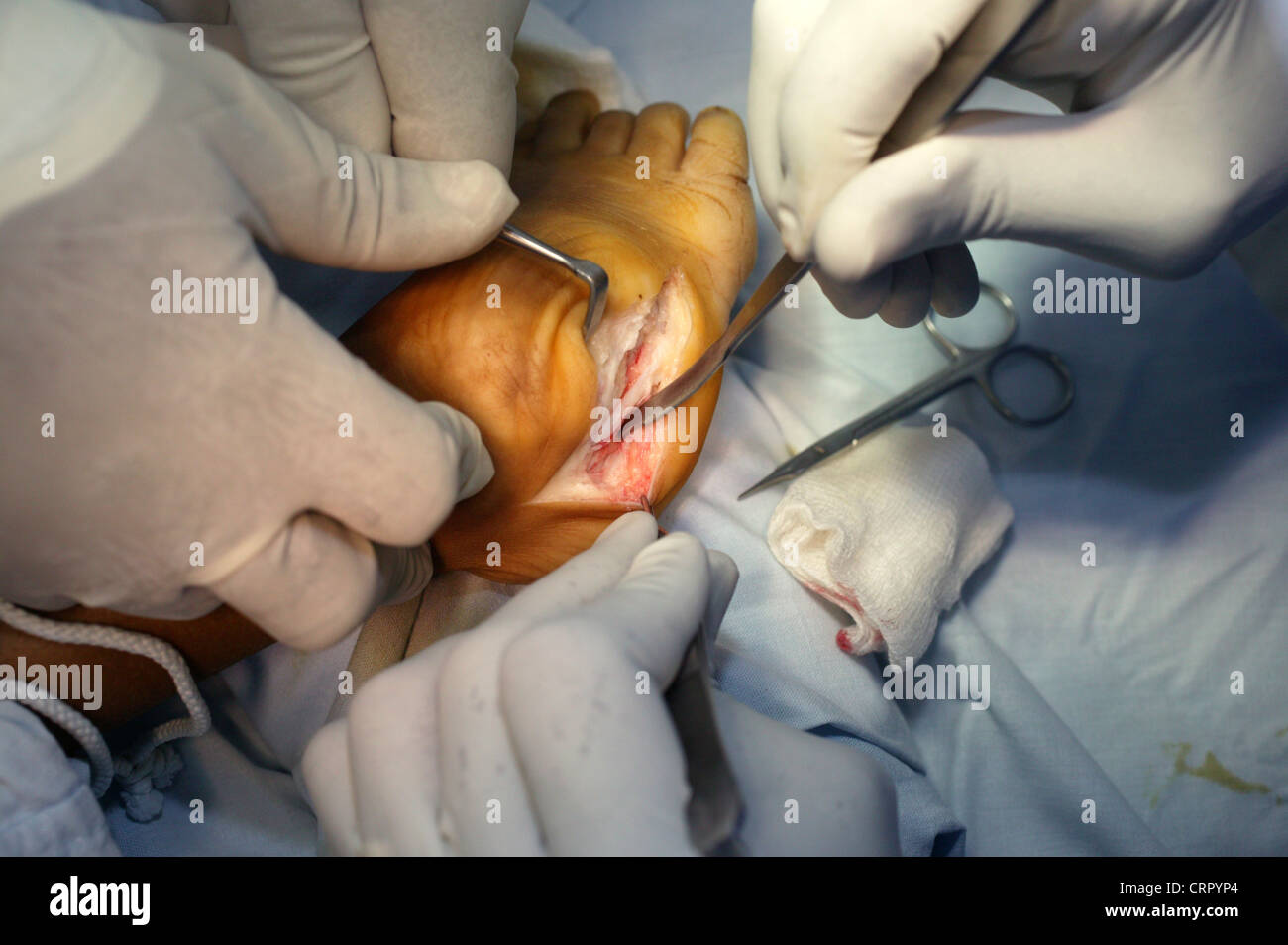
Talipes High Resolution Stock Photography And Images Alamy
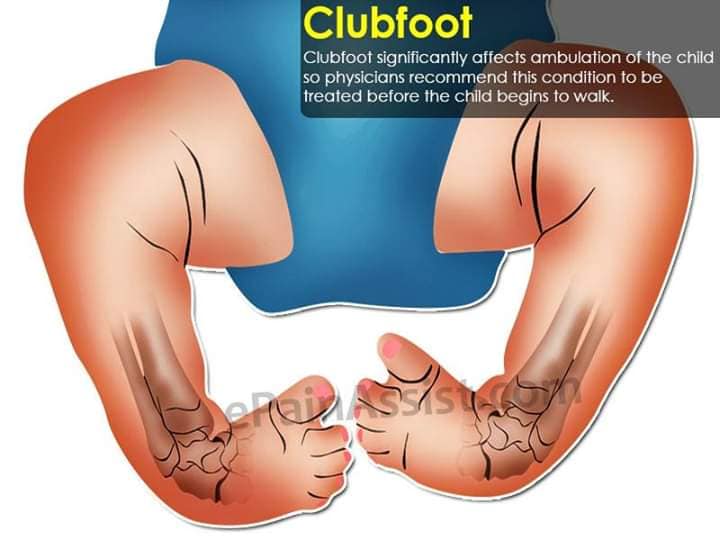
Clubfoot Clubfoot Pediatric Interesting Cases And Mcqs Facebook

Clubfoot Boston Children S Hospital
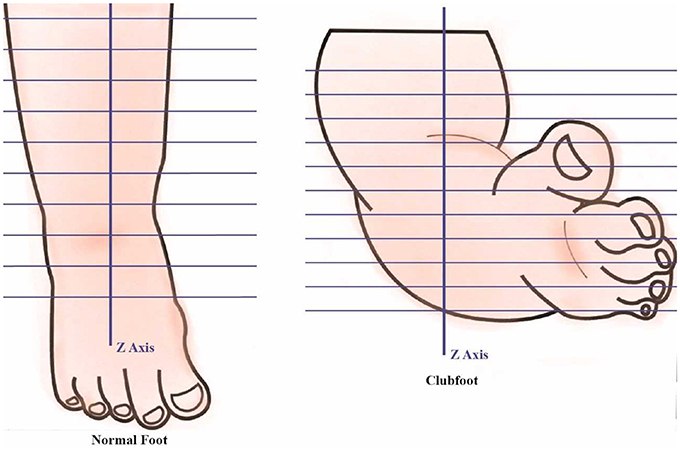
Frontiers Developing A Three Dimensional 3d Assessment Method For Clubfoot A Study Protocol Physiology

Clubfoot Boston Children S Hospital

Club Foot Shoes For Talipes Equinovarus Factory Prices

Congenital Talipes Equinovarus And Congenital Vertical Talus Secondary To Sacral Agenesis Bmj Case Reports

Uncommon Iii Grade Clubfoot Congenital Talipes Equinovarus Cte In Download Scientific Diagram

Pdf Current Conservative Management And Classification Of Club Foot A Review Semantic Scholar
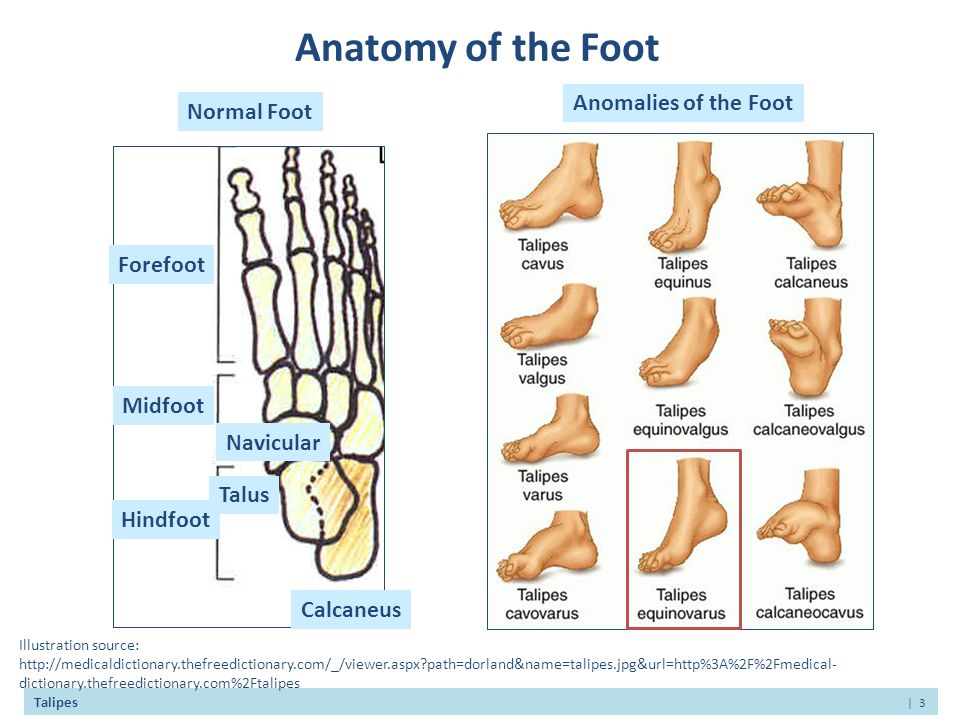
Idiopathic Talipes Equinovarus Congenital Clubfoot Ppt Video Online Download

Clubfoot

Clubfoot Congenital Talipes Equinovarus Narayana Health
1
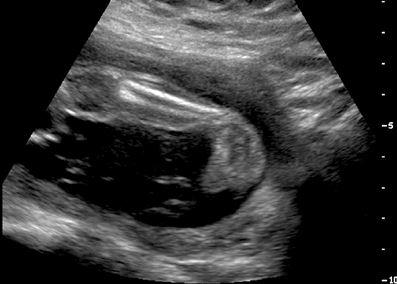
Clubfoot Congenital Talipes Equinovarus Pediatrics Orthobullets
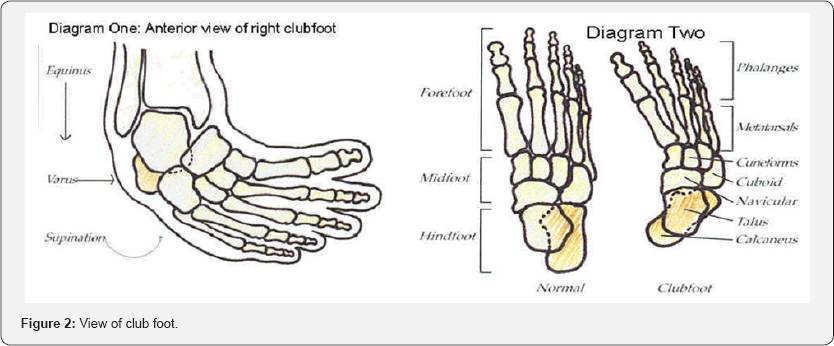
Orthopedics And Rheumatology Open Access Journal Oroaj
Introduction To Clubfoot Physiopedia
By Cassie Maier What Is Club Foot Club Foot Is When One Or Both Babies Feet Are Turned Inward And Downward And Cannot Be Put Into Normal Position Easily Ppt Download
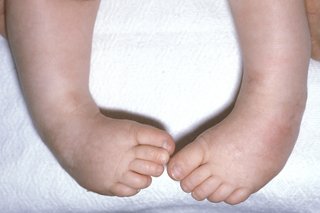
Club Foot Nhs

Positional Clubfoot

Congenital Idiopathic Talipes Equinovarus American Academy Of Pediatrics

Congenital Talipes Equinovarus Clubfoot Orthopaedicprinciples Com
1
Newborn With Bilateral Club Foot Also Called Congenital Talipes Equinovarus Royalty Free Cliparts Vectors And Stock Illustration Image
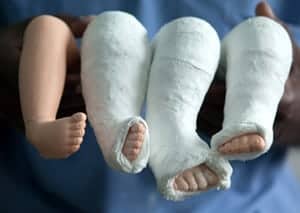
Children S Clubfoot Treatment Causes Pediatric Foot Ankle

Prevalence And Characteristics Of Congenital Talipes Equinovarus Clubfoot In Northern Ghana A Two Year Retrospective Descriptive Study African Journal Of Current Medical Research
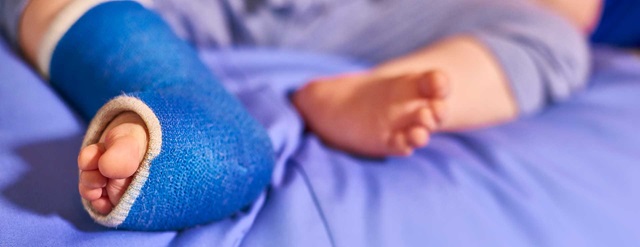
Clubfoot Johns Hopkins Medicine
Clubfoot Repair Treatments Procedure Outlook
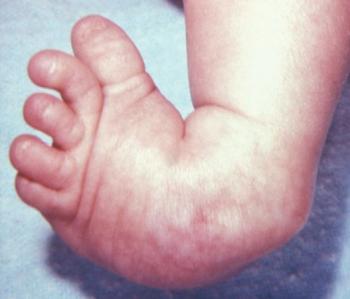
Clubfoot Causes And Treatments
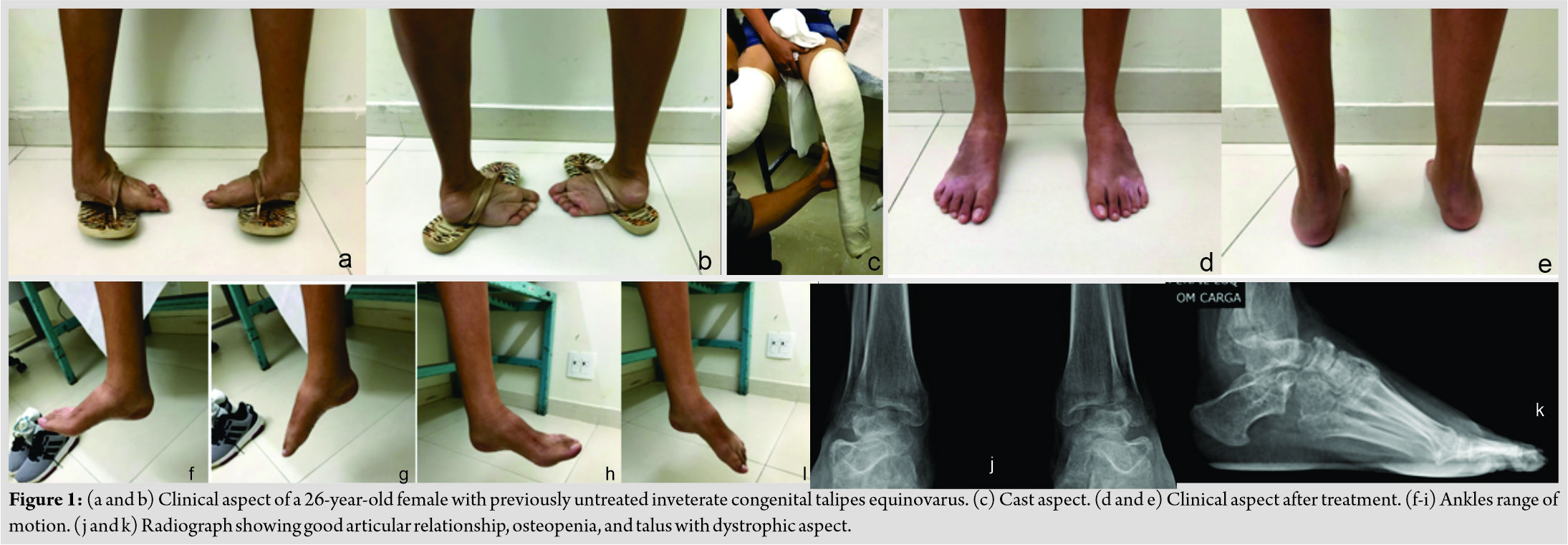
Neglected Idiopathic Clubfoot Successfully Treated By The Ponseti Method A Case Report Of An Adult Patient Who Started Treatment At 26 Years Of Age Journal Of Orthopaedic Case Reports
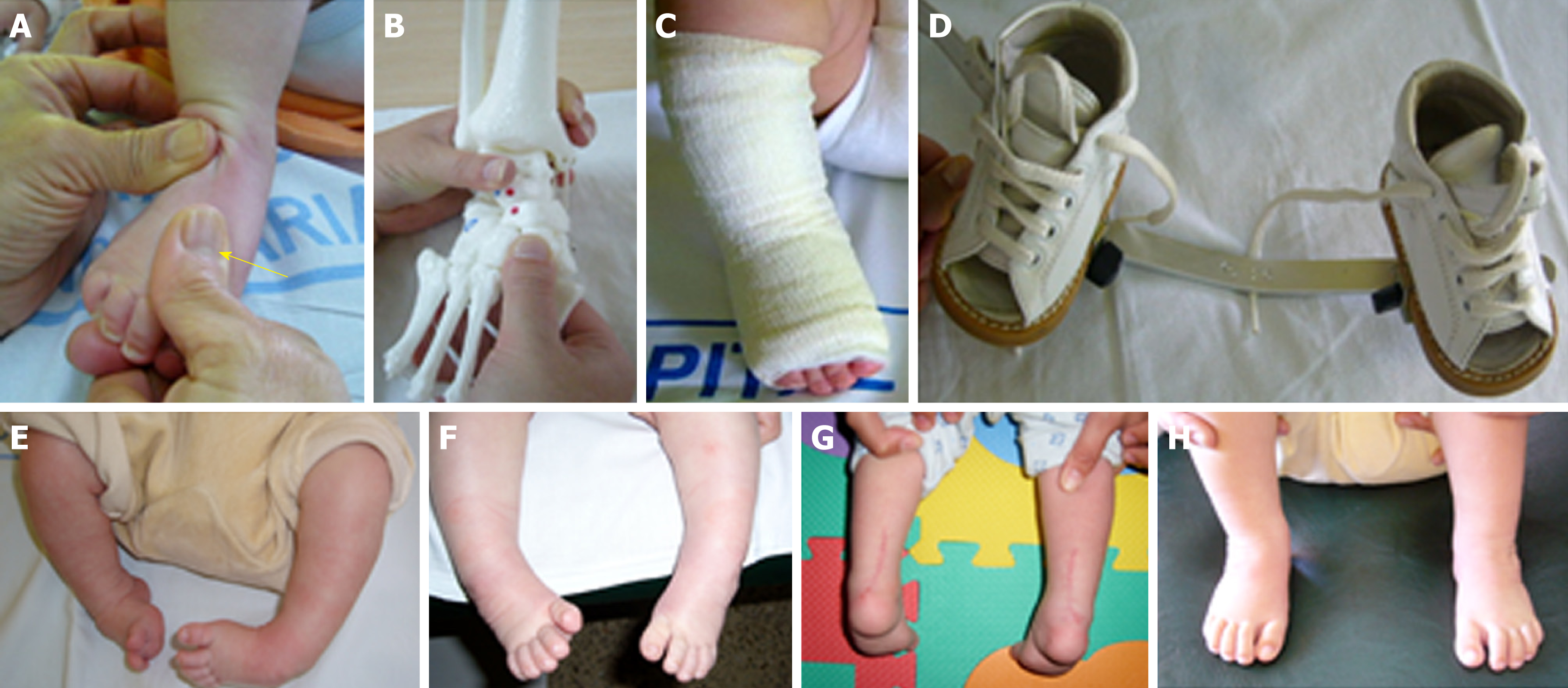
Functional Physiotherapy Method Results For The Treatment Of Idiopathic Clubfoot
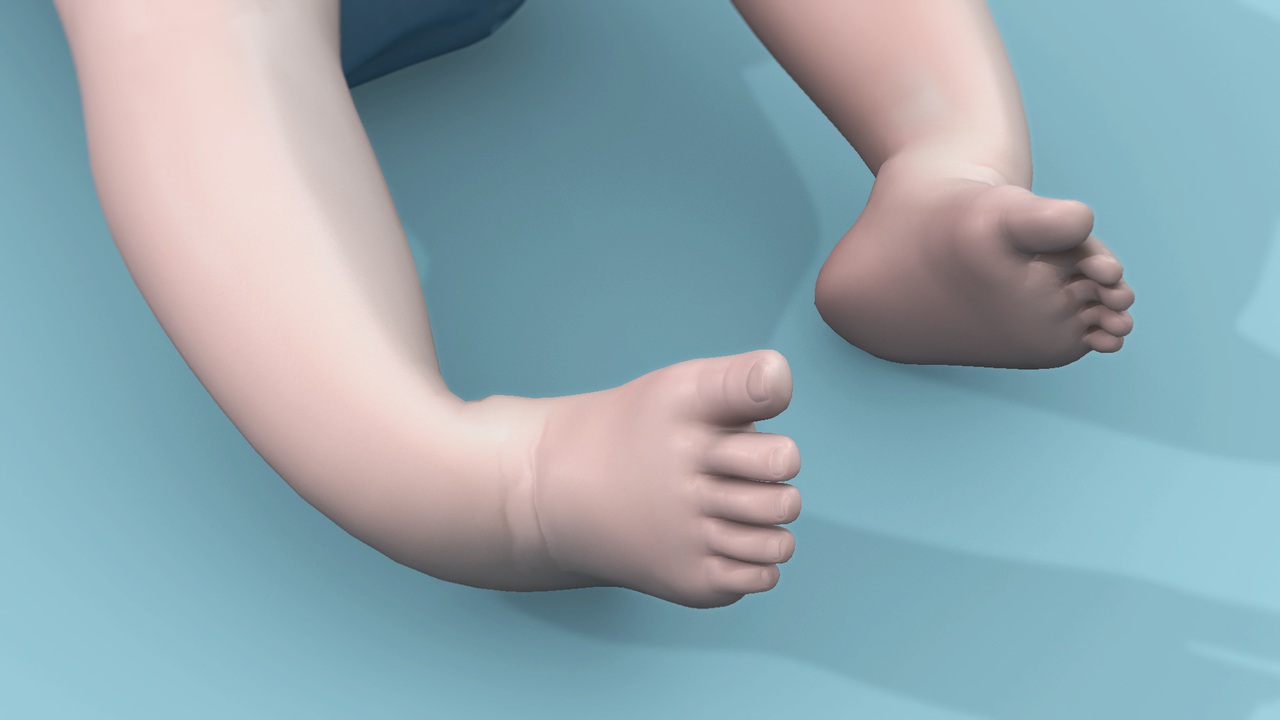
Clubfoot Talipes Equinovarus Resurgens Orthopaedics
Congenital Clubfoot Early Recognition And Conservative Management For Preventing Late Disabilities Springerlink
Chapter 4 9 Talipes Equinovarus Talipes Equinovarus Q66 0 Cdc
Clubfoot Eorthopod Com

Club Foot Talipes Equinovarus Ankle Foot And Orthotic Centre
Frontiers Developing A Three Dimensional 3d Assessment Method For Clubfoot A Study Protocol Physiology

Club Foot Pathoanatomy Made Easy The Young Orthopod Youtube
Clubfoot What Is Clubfoot What Causes Clubfoot Who Gets Clubfoot What Are The Symptoms Of Clubfoot

Clubfoot Ctev Congenital Talipes Equinovarus P Opaedia

The Feet Of A Newborn With Congenital Talipes Equinovarus Deformity Download Scientific Diagram

Clubfoot Congenital Talipes Equinovarus Pediatrics Orthobullets
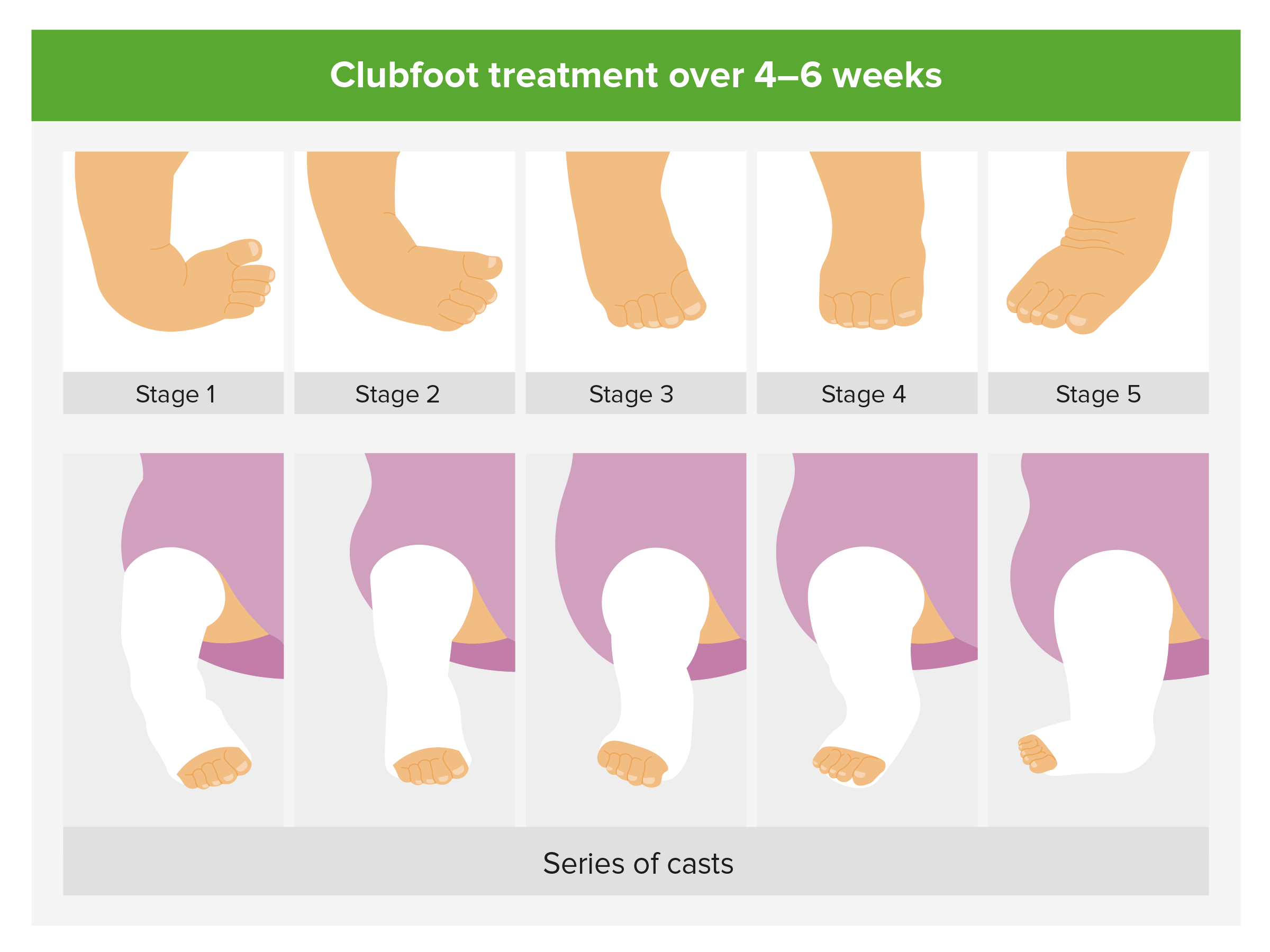
Foot Deformities Concise Medical Knowledge

Treatment Of Relapsed Residual And Neglected Clubfoot Adjunctive Surgery Journal Of Children S Orthopaedics
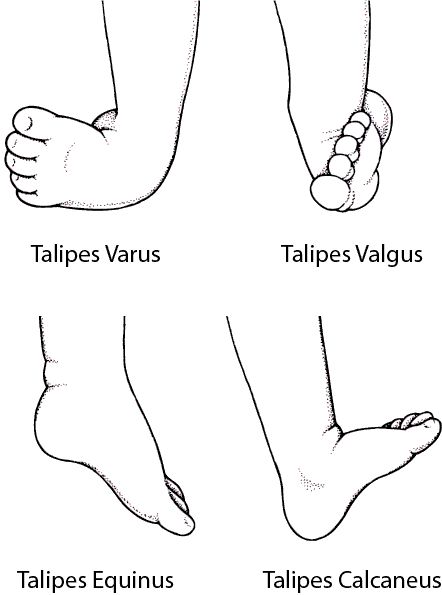
Clubfoot And Other Foot Defects Children S Health Issues Merck Manuals Consumer Version
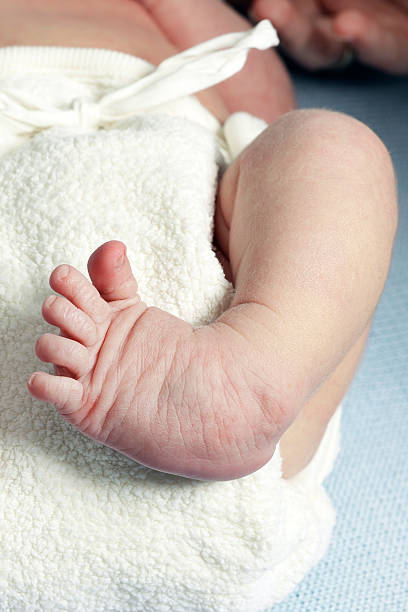
2 Clubfoot Stock Photos Pictures Royalty Free Images Istock

Treatment Of Relapsed Residual And Neglected Clubfoot Adjunctive Surgery Journal Of Children S Orthopaedics
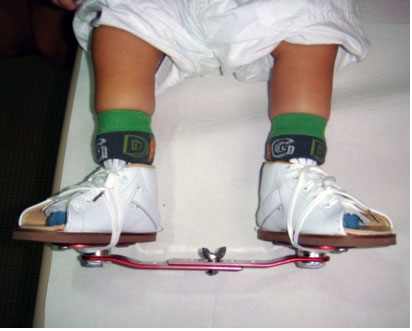
Congenital Talipes Equinovarus Or Club Foot Bone And Spine

Clubfoot Phenotype In Pma Pma Mice Human Newborn With Congenital Download Scientific Diagram
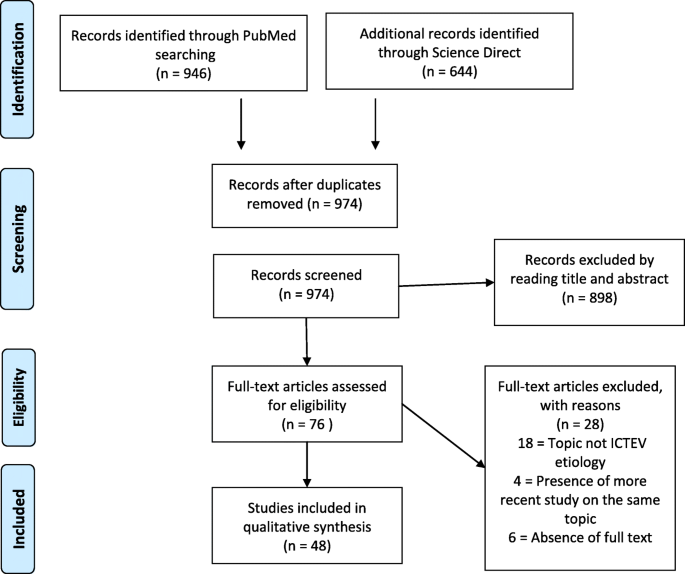
The Etiology Of Idiopathic Congenital Talipes Equinovarus A Systematic Review Journal Of Orthopaedic Surgery And Research Full Text

Before Going To Doctor Which Must Know About Clubfoot Rxharun

Club Foot Symptoms And Treatment
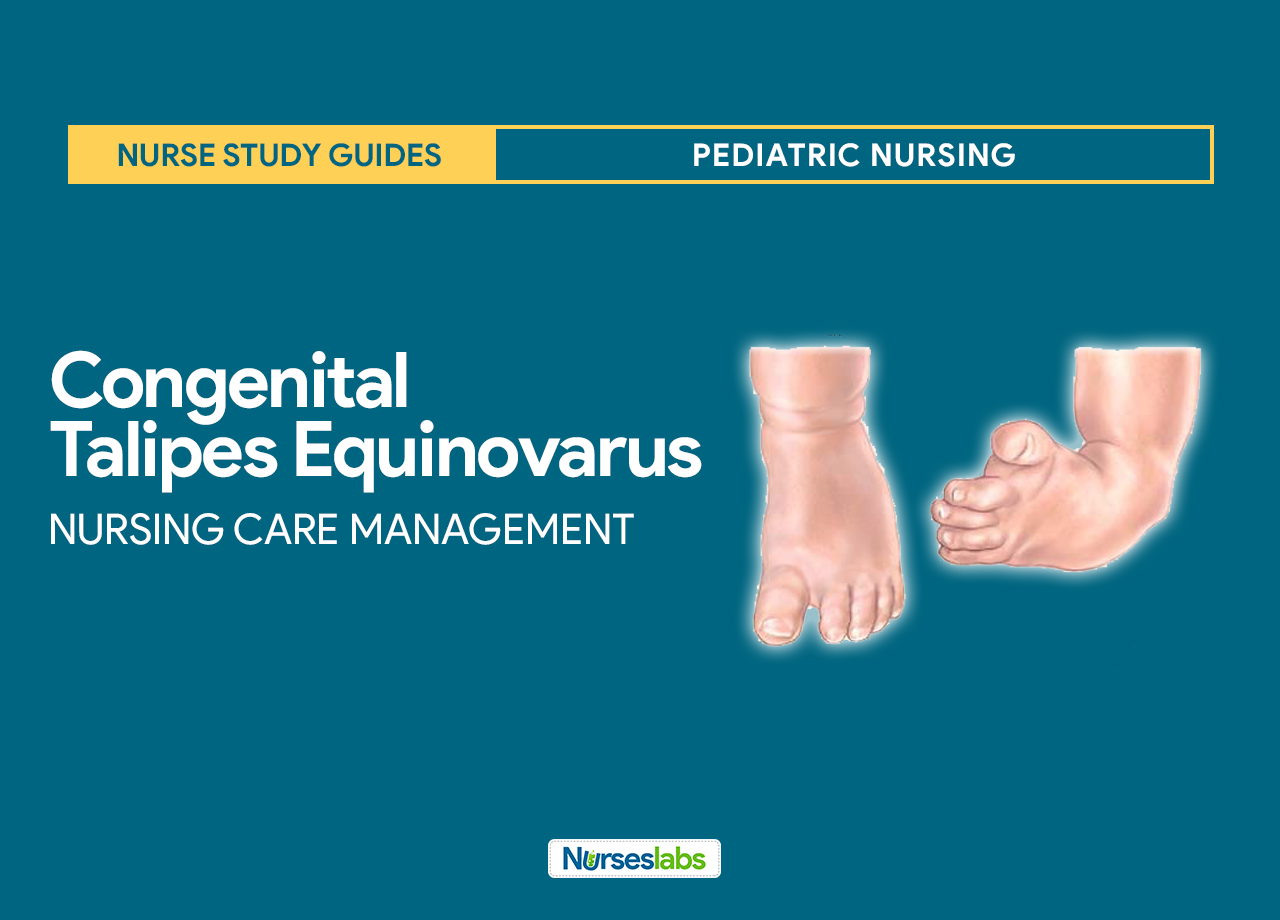
Congenital Talipes Equinovarus Clubfoot Nursing Care Management Nurseslabs

Clubfoot Congenital Talipes Equinovarus Narayana Health
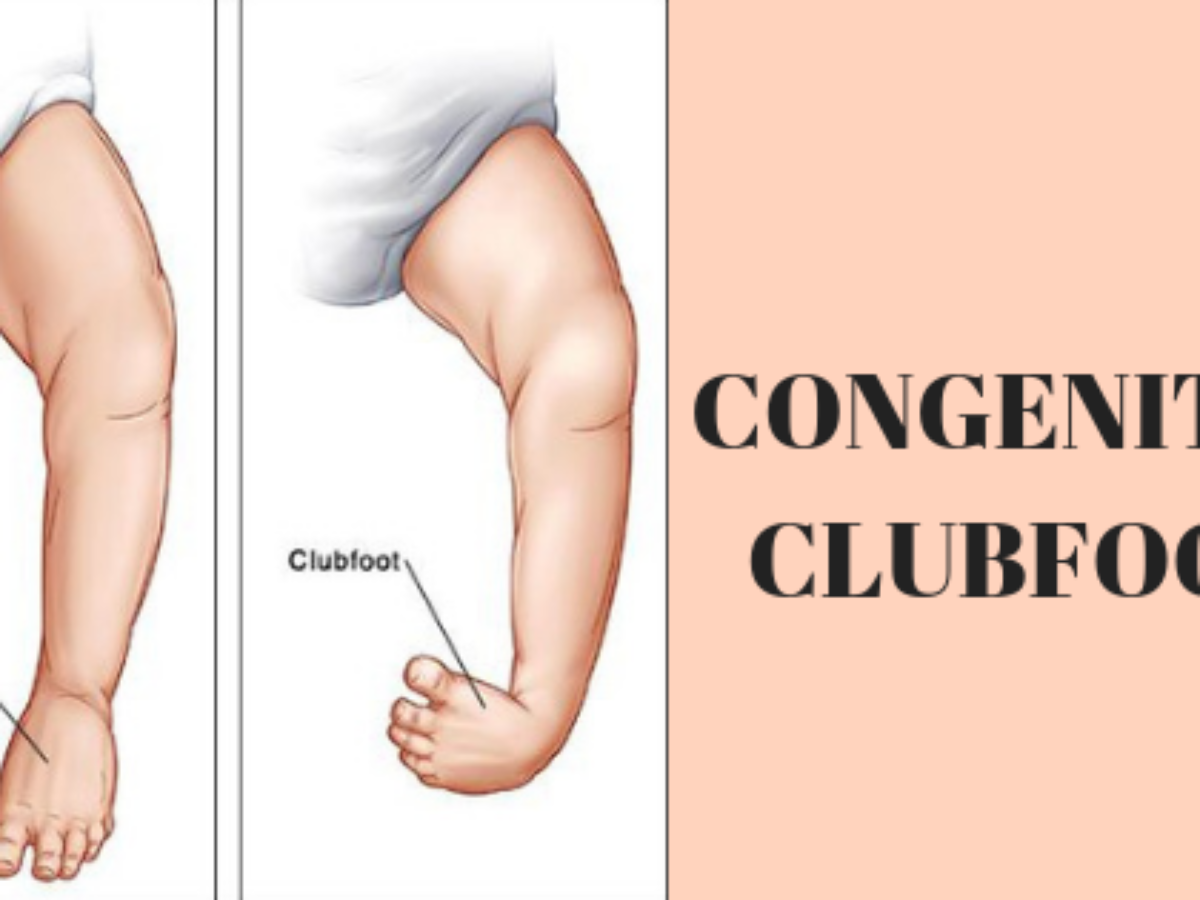
Congenital Clubfoot Genetic Disorders Types Of Clubfoot

Congenital Idiopathic Talipes Equinovarus American Academy Of Pediatrics
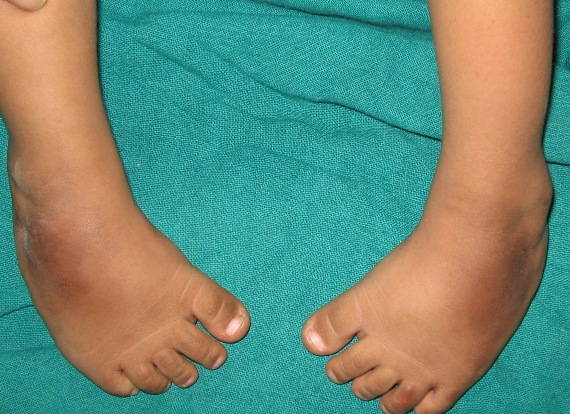
Congenital Talipes Equinovarus Or Club Foot Bone And Spine

Clubfoot Wikipedia

The Adult Sequelae Of Treated Congenital Clubfoot Foot And Ankle Clinics

Clubfoot Or Club Foot Or Congenital Talipes Equinovarus Ctev Equine Before And After The Operation Vintage Engraved Illustration Usual Medicine Dictionary By Dr Labarthe 15 Royalty Free Cliparts Vectors And Stock
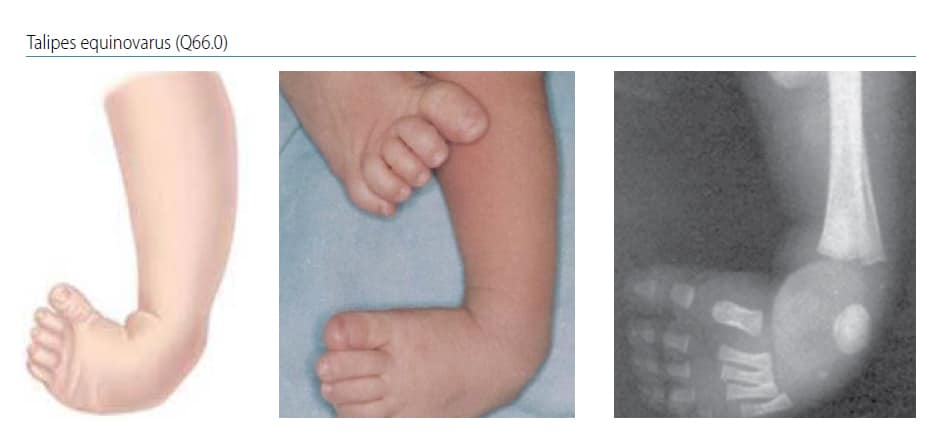
Chapter 4 9 Talipes Equinovarus Talipes Equinovarus Q66 0 Cdc
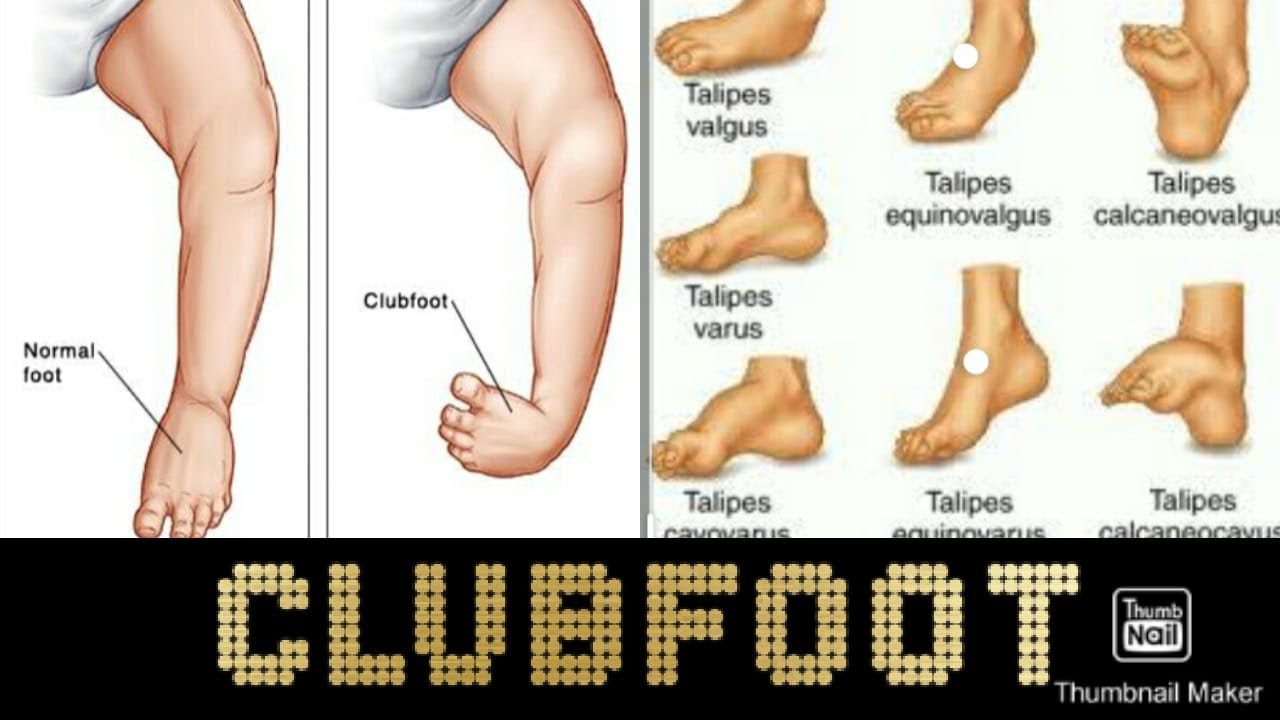
Clubfoot Its Types And Causes Simplified In Hindi Youtube
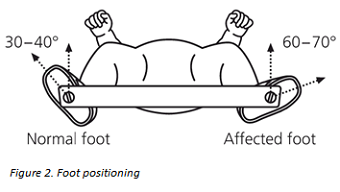
Kids Health Information Clubfoot Boots And Bar

Clubfoot Pdf Pied Medecine Clinique

Pdf Congenital Talipes Equinovarus A Case Report Of Bilateral Clubfoot In Three Homozygous Preterm Infants Semantic Scholar

Clubfoot Wikipedia


0 件のコメント:
コメントを投稿